

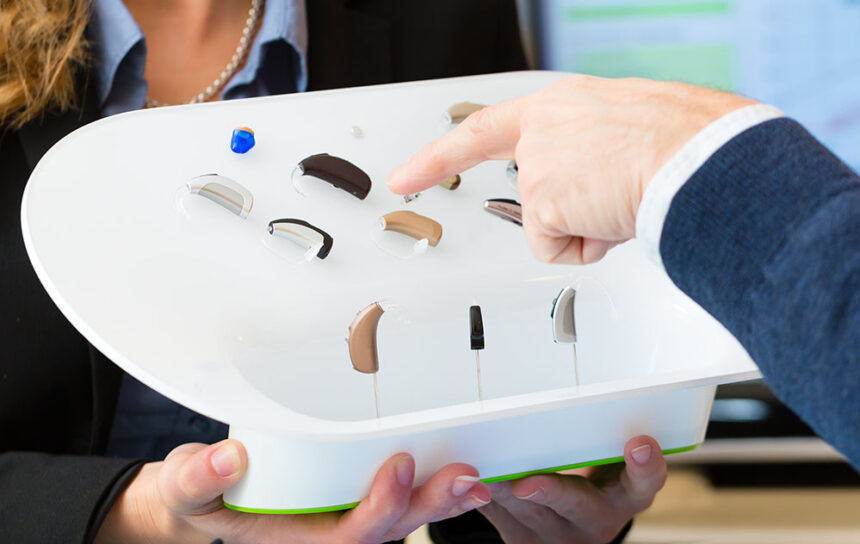
Hearing aids are small electronic devices you wear in or behind your ear. They work by amplifying specific sounds, enabling individuals with hearing loss to listen and communicate more effectively. Hearing aids have three basic parts: a microphone, an amplifier, and a speaker. Here are some tips for choosing the right hearing aids:
Get a Hearing Test
The first step in addressing hearing loss is to get a comprehensive hearing evaluation from a qualified audiologist. This test determines the type and degree of your hearing loss. The results guide the selection process, and an audiologist uses this information to recommend hearing aid technology and features tailored to your hearing profile.
An evaluation provides a baseline for your hearing health, as it identifies which frequencies you have difficulty hearing and at what volume. This information is needed to program a hearing aid correctly. Without a professional hearing test, a hearing aid may not adequately address your hearing needs.
Review Hearing Aid Types
Understanding your hearing needs helps you select a device that provides adequate support. Here are some common styles of hearing aids, each with unique benefits:
- Behind-the-Ear: BTE models sit comfortably behind your ear, connected by a tube to an earpiece that rests inside your ear canal. They are durable and powerful, making them suitable for a wide range of hearing loss. BTEs are often easier to manage and have longer battery life.
- Receiver-in-Canal: Similar to BTEs, RIC devices also sit behind the ear, but the speaker is placed directly in your ear canal. This design often makes them smaller and more discreet, while also providing a natural sound quality.
- In-the-Ear: Custom-made to fit within the outer part of your ear, ITE hearing aids are less noticeable than BTE models. They are a good option if you prefer an integrated appearance, and they can be powerful enough for mild to severe hearing loss.
- In-the-Canal: ITC are custom-fitted devices that sit partly within your ear canal, offering more discretion than ITE models. They are smaller but still provide accessible controls for volume or program changes.
- Completely-in-Canal: As the smallest and most discreet option, CIC hearing aids fit entirely inside your ear canal. Their tiny size can make it harder to adjust volume or change batteries, and they may not be suitable for all types of hearing loss.
Understand Impact on Lifestyle
Your daily activities and listening environments play a large part in selecting the right hearing aid. Do you often engage in quiet, one-on-one conversations, or are you frequently in noisy restaurants, meetings, or social gatherings? Different hearing aids have features designed to perform better in specific settings. If you lead an active lifestyle, you might need a device that is more durable and resistant to moisture. If you frequently use a smartphone, you may want a hearing aid with Bluetooth connectivity for streaming calls and music directly to your device. Discussing your lifestyle with an audiologist will help match your daily needs with the features and technology available.
Learn More About Hearing Aids
Selecting a hearing aid is a decision that involves understanding your hearing loss, the available technology, and how a device will fit into your life. The process begins with a professional evaluation and continues with exploring the various styles and features. Schedule a hearing exam with an audiologist today to assess your hearing loss and receive hearing aid recommendations.