
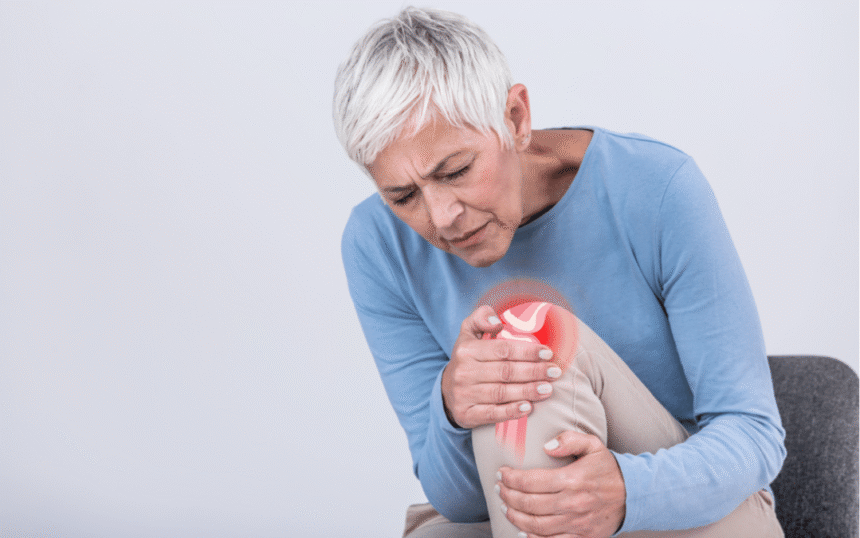
Arthritis pain management involves using practical methods to help you control discomfort and protect your quality of life. There is no universal approach, and working with your healthcare provider will help you find the strategies that work for you. Here is more information about pain management options for arthritis, to guide your conversations with your care team:
Joint Injections
A doctor injects specific medication directly into a painful joint, and it may be used to target inflammation or swelling. Since the choice of medication depends on your treatment goals, a medical professional will decide which substance is suitable. Typically, this procedure is performed in a clinic, where sterile techniques are used.
Joint injections may help alleviate pain in several joints, including the knees, hips, and shoulders. You might notice a change quickly, but results vary from person to person. Some people receive these injections a few times a year, after discussing the frequency with their physician.
Pain Medications
Managing pain with medication is a typical choice for many people living with arthritis. Medications may be administered as pills, creams, or injections, and a healthcare provider will prescribe a suitable option. There are several different medication classes, and your selection may depend on the type of arthritis. Pain medication categories include:
- Nonsteroidal anti-inflammatory drugs (NSAIDs)
- Acetaminophen
- Topical analgesics
Some medications are taken orally, while others may be applied topically as creams or gels specifically designed for use on certain joints. A doctor reviews the choices and guides you through safe use, to help you follow instructions and avoid drug interactions. Your provider will help explain the options and what to expect, including possible side effects.
Nerve Blocks
Nerve blocks use an injection to stop pain signals before they reach your brain, making this approach helpful for targeted pain issues that are not relieved by other means. Your doctor delivers the medication near specific nerves, and you may feel temporary relief as a result of these particular nerve interruptions. This process is targeted and deliberate to keep treatment precise and limited to the problem area.
The medication acts as an anesthetic, preventing nerves from sending pain messages for a limited time. Since the numbness wears off, the relief is not permanent, and repeat treatments may be appropriate if it fits your ongoing pain management plan. In some cases, this is only one part of a pain treatment plan that also includes medications or therapy.
During the procedure, the provider uses imaging techniques, such as ultrasound or fluoroscopy, to guide needle placement for added accuracy. This method helps deliver the drug to the right spot, and you may need more than one injection. The aim is to reach the source of pain and bring comfort safely, always with your overall health and function in mind.
Heat and Cold Therapy
Heat and cold therapy are basic options for arthritis pain management at home and don’t require a prescription or medical appointment. Applying heat may help soothe your muscles by increasing blood flow to the area, while using cold packs may reduce swelling by numbing the area and slowing inflammation. Some techniques include:
- Warm compresses
- Heating pads
- Ice packs
- Cold gels
Find Pain Management Services
Developing a good pain management plan involves teamwork with your medical support system, and ongoing communication is beneficial. Take the next step to address your arthritis pain and reach out to schedule an appointment with a pain management specialist. With professional support, you are on your way to finding a plan that fits your needs and lifestyle.