

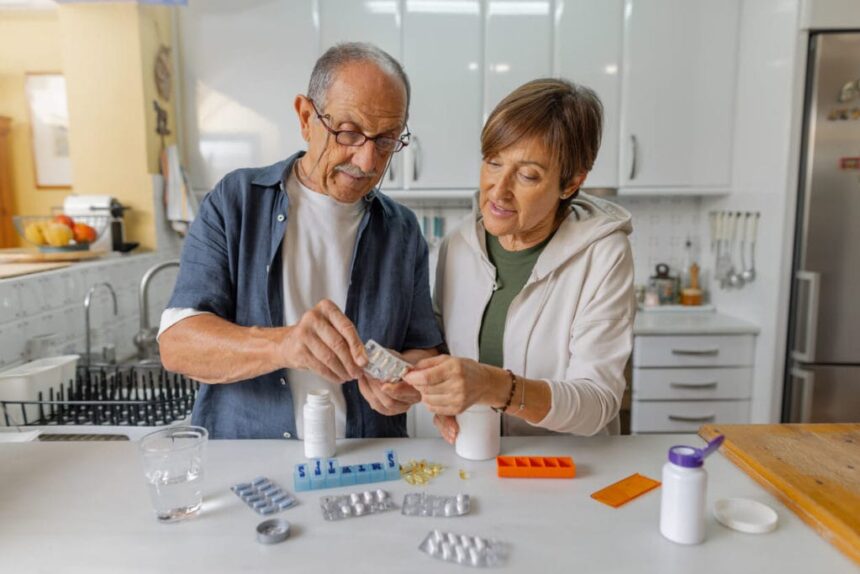
As people age, managing multiple medications can become increasingly complex. Geriatrics focuses on the unique health needs of older adults, making sure that treatments are safe, effective, and carefully coordinated. Here’s how geriatrics specialists help older patients navigate medication management:
Understanding the Needs of Seniors
Older adults experience physiological changes that impact how their bodies process medications. Age-related changes in body composition, such as increased fat and decreased muscle mass, may alter the distribution of certain drugs. A Geriatrics specialist assesses these factors when prescribing medications to minimize adverse effects and aid optimal therapeutic outcomes.
Many older adults face the challenge of managing multiple medications to treat chronic conditions. This increases the likelihood of drug-to-drug interactions and potential side effects that can compromise their overall health. Cognitive decline or memory issues common in aging can also contribute to medication errors, such as missed doses or accidental overuse.
Reviewing Medications Regularly
Regular medication reviews are a key component of optimizing healthcare for individuals with complex medication regimens. These reviews involve a systematic assessment of all prescribed, over-the-counter, and supplementary medications. This is to promote continued appropriateness, safety, and effectiveness. Identifying potential drug-drug interactions, redundant therapies, or medications with diminished clinical benefit is key in geriatrics.
These efforts help healthcare professionals mitigate risks and enhance therapeutic outcomes. Regular reviews can help identify adherence issues stemming from cognitive decline, physical limitations, or complex dosing schedules. They also provide an opportunity to educate patients and caregivers on potential side effects and proper usage.
Preventing Medication-related Complications
To reduce the risks associated with multiple medications, here are some practical steps caregivers and patients can take to promote safety.
- Keep an updated list of all medications, including the name, dosage, and reason for taking them.
- Use a pill organizer to manage daily doses and avoid confusion.
- Ask the pharmacist questions about new prescriptions and potential side effects.
- Report any new symptoms or unusual reactions to a doctor immediately.
Following these practices can decrease the chance of medication errors and related health issues.
Promoting Safe and Independent Living
Proper medication management is also about helping seniors live safely and independently for as long as possible. A structured approach to their medications can prevent hospital visits and improve their well-being. The following tips can help achieve this:
- Set up reminders for medication times, using alarms or mobile apps.
- Store medications in a cool, dry place, out of reach of children and pets.
- Dispose of old or unused medications properly, following pharmacy guidelines.
- Have the doctor’s and pharmacy’s contact information easily accessible.
These habits help older adults and their caregivers manage medication and overall health effectively.
Consult a Geriatrics Specialist Today
Safely managing medications is a fundamental part of senior health care. Understanding the specific needs of older adults, regularly reviewing their medications, and taking practical steps to prevent complications, helps them maintain their overall health and independence. For concerns about your loved one’s medications, contact a geriatrics specialist near you to schedule your appointment today for personalized guidance.