

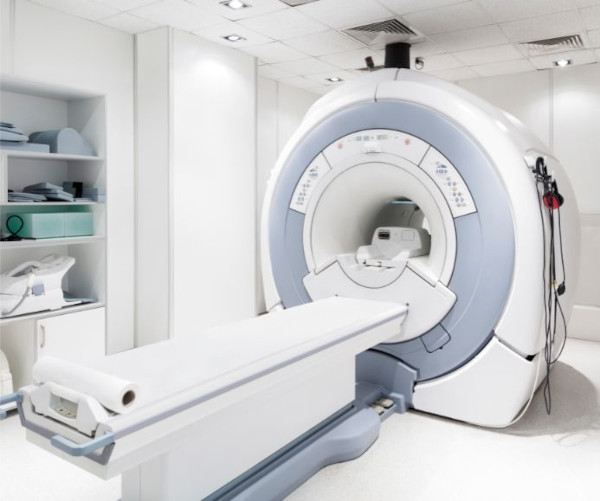
Magnetic resonance imaging (MRI) is a medical imaging technique used in radiology. It creates detailed images of the body’s anatomy and physiological processes, helping physicians diagnose and treat medical conditions. Understanding this procedure enables you to prepare for your appointment. Here is more information on what an MRI is, how it functions, and what you can expect during the process:
What Is Magnetic Resonance Imaging?
Magnetic resonance imaging is a diagnostic procedure that uses a large magnet, radio waves, and a computer. This combination produces detailed cross-sectional images of internal organs and structures, which can reveal differences between healthy and unhealthy tissue. Unlike X-rays and computed tomography (CT) scans, MRIs do not use ionizing radiation.
The technology behind MRI allows for the visualization of soft tissues with great detail. This makes it particularly useful for examining the brain, spinal cord, muscles, ligaments, and tendons, yet it remains a versatile tool for many parts of the body. Doctors can order an MRI to investigate symptoms, monitor disease progression, or check the effectiveness of a treatment.
How Does It Work?
An MRI scanner contains a powerful magnet, and this magnet creates a strong magnetic field that aligns the protons in the body. A radiofrequency current is then pulsed through the patient, stimulating the protons and causing them to spin out of equilibrium. When radiofrequency is turned off, the protons realign with the magnetic field and release energy, which the MRI sensors detect.
A computer processes the signals from the releasing protons and generates a series of images, each showing a thin slice of the body. These images can be studied from different angles, and they provide a clear view of the body’s internal structures. Variation in signals from different tissues allows MRI to distinguish between them.
What Does the Process Involve?
Before the scan, you will be asked to remove any metal objects, as they can interfere with the magnetic field. You will lie on a movable table that slides into the center of the MRI machine, which is a large, tube-shaped scanner. The technologist will communicate with you from another room, and you will be able to speak with them through an intercom.
During the scan, the machine will make loud, repetitive noises, so you may be offered earplugs or headphones. You will remain as still as possible to get clear images, and the scan is usually over within 20 minutes. In some cases, a contrast agent may be injected into a vein to enhance the visibility of specific tissues.
What Are Its Applications?
MRI has a wide range of applications in medicine. It is frequently used to diagnose conditions affecting the brain and spinal cord, such as tumors, strokes, and multiple sclerosis, and it can also detect abnormalities in joints, such as torn cartilage and ligaments. The detailed images of soft tissues make it a valuable tool for sports-related injuries.
How Is an MRI Beneficial?
The primary benefit of an MRI is its ability to produce detailed images of soft tissues without using ionizing radiation. This makes it a safe alternative to other scans, especially for patients who may need multiple imaging studies, and it provides contrast between different types of soft tissues. This clarity enables the early detection and diagnosis of many conditions.
Consult a Specialist Today
Magnetic resonance imaging is a diagnostic tool that provides detailed views of the body and helps detect numerous medical conditions. For more detailed information regarding your specific medical situation, consult with a healthcare professional. They can provide guidance tailored to your needs and answer any questions you may have about the process.