
A rotator cuff tear makes everyday movements painful and difficult. Once an injury occurs, proper rehabilitation is key to restoring strength, stability, and motion in your shoulder. Knowing what to expect can prepare you for recovery and help you stay consistent. Here’s what you should understand about the rehabilitation process after a rotator cuff injury:
Understanding Rotator Cuff Injuries
The rotator cuff consists of four muscles that come together as tendons to hold the head of your upper arm bone in your shoulder socket. These muscles are key for lifting and rotating your arm; a rotator cuff tear can make simple movements difficult and painful. An injury can occur suddenly from a fall or develop over time due to repetitive stress or age-related degeneration.
When you have a torn rotator cuff, you may experience pain, weakness in your arm, and a crackling sensation during movement. A doctor will diagnose the injury, often using imaging such as an MRI to assess the extent of the tear. Depending on the severity, treatment can range from non-surgical options to surgery.
Starting Early Rehabilitation
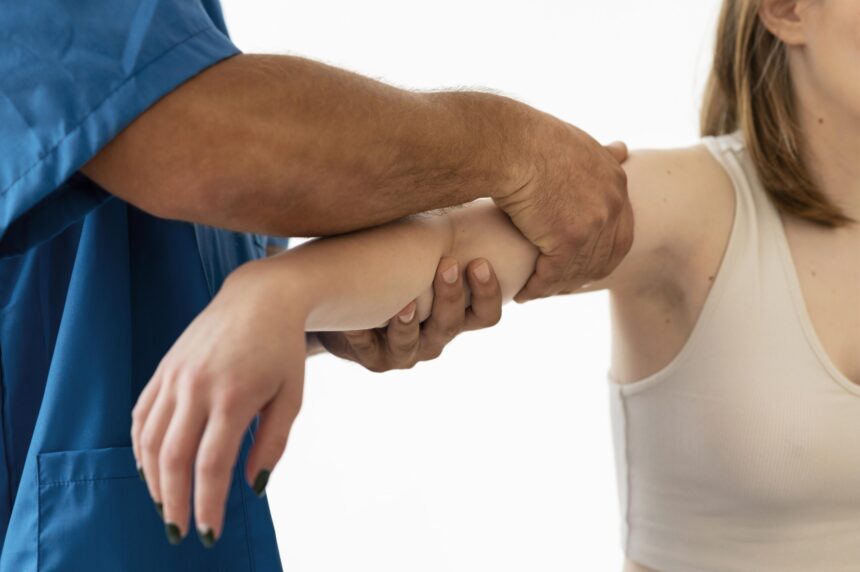
The initial phase of rehabilitation focuses on managing pain and protecting the healing shoulder. A physical therapist will guide you through this process. Here is what this early stage generally involves:
- Passive Range of Motion: Your therapist will move your arm for you. This is done to maintain joint flexibility without engaging the rotator cuff muscles.
- Pain and Swelling Management: Techniques like icing and medication are often recommended to reduce discomfort and inflammation.
- Postural Education: Learning to maintain good posture is helpful, as it reduces strain on the shoulder joint and supports the healing process.
As you progress, you will gradually move from passive exercises to active movements.
Building Strength Gradually
After the initial healing period, the focus of rehabilitation shifts to actively rebuilding strength and restoring full function to your shoulder. This phase is gradual and involves progressively challenging the rotator cuff muscles to improve endurance and control. Here is what you can expect in this stage:
- Active Range of Motion: You will begin moving your arm on your own, performing exercises designed to improve mobility and muscle control.
- Strengthening Exercises: Your therapist will introduce resistance exercises using bands, light weights, or your body weight to build strength in the rotator cuff and surrounding muscles.
- Functional Training: The exercises will become specific to your daily activities and goals, helping you return to work, sports, or hobbies safely.
This stage aims to strengthen and stabilize your shoulder for your regular activities.
Preventing Repeat Rotator Cuff Tears
Preventing another rotator cuff injury involves maintaining shoulder strength, flexibility, and using proper body mechanics. Continuing with a maintenance exercise program after formal physical therapy ends can be very helpful for long-term shoulder health. Make sure to warm up properly before physical activity, especially for sports or tasks that involve overhead arm movements.
Be mindful of your posture and avoid activities that put excessive strain on your shoulders. If you have a job or hobby that involves repetitive arm motions, take regular breaks and use ergonomic techniques to reduce stress on the joint. Strengthening the muscles around your shoulder blades and core provides a stable base for arm movement, and this can further reduce your risk of a future rotator cuff tear.
Schedule your Rotator Cuff Tear evaluation
Recovering from a rotator cuff tear is a process that requires commitment to a structured rehabilitation program. From the early stages of managing pain to the later phases of building strength, each step helps you regain function and return to daily activities. For shoulder pain or suspicions of a rotator cuff injury, contact an orthopedic specialist near you to schedule your professional evaluation today.