

Diarrhea is a condition characterized by loose, watery stools, which can result from various causes, including infections, dietary choices, or underlying medical conditions. While it can often be short-lived, managing the symptoms is beneficial for comfort and to prevent dehydration. Exploring appropriate over-the-counter and home-based options can be a practical first step for diarrhea treatment.
Hydrate with Clear Fluids
Maintaining hydration is a primary goal when experiencing diarrhea because the body loses significant fluids and electrolytes. Dehydration can lead to more serious complications, so rehydrating is beneficial. An effective diarrhea treatment plan starts with consistently drinking clear fluids throughout the day. Options for maintaining hydration include:
- Water
- Clear broths
- Diluted fruit juices without pulp
- Oral rehydration solutions
These liquids are gentle on the digestive system and help restore the body’s fluid balance.
Try BRAT-Style Foods
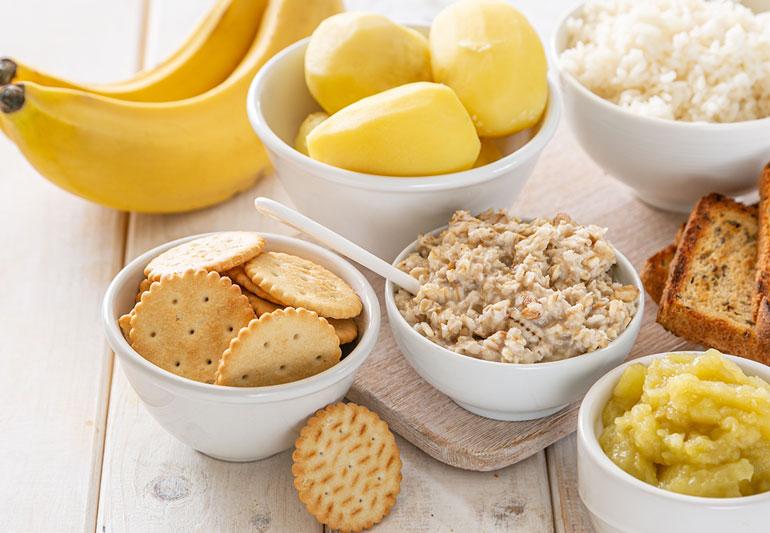
When you are ready to reintroduce solid foods, certain options are known to be easier on the digestive system. The BRAT diet, which stands for bananas, rice, applesauce, and toast, consists of low-fiber, binding foods. These foods can help make stools firmer, and they are generally well-tolerated.
Beyond the specific BRAT items, other bland foods can be worked in as symptoms improve. These may include boiled potatoes, crackers, or cooked cereals like oatmeal. These simple carbohydrates provide energy without irritating the stomach, making them a useful component of dietary management during recovery.
Add Gentle Probiotics
Probiotics are beneficial microorganisms that support a healthy gut environment and may be helpful during and after episodes of diarrhea by restoring the balance of good bacteria in the intestines. Foods like yogurt with live and active cultures are great sources of probiotics, though it’s best to choose plain, unsweetened varieties to avoid excess sugar. Other fermented foods, such as kefir, are also worth trying. For probiotic supplements, it’s helpful to note that different strains have different effects, and what works for one person may not work for another.
Limit Irritants and Caffeine
Certain foods and beverages can aggravate the digestive system and may worsen diarrhea symptoms. It can be helpful to avoid items known to be difficult to digest or stimulants. Making temporary dietary adjustments is a key part of managing the condition. Foods to limit or avoid include:
- Fatty, greasy, or fried foods
- Spicy foods
- Dairy products, especially if you are lactose intolerant
- Caffeinated drinks like coffee, tea, and some sodas
These items can increase intestinal motility or draw water into the intestines, contributing to looser stools and prolonging discomfort.
Try at Home Natural Diarrhea Treatment
Managing mild diarrhea at home often involves simple, supportive measures focused on hydration and diet. These home remedies can be effective for uncomplicated cases, allowing your digestive system to rest and recover. Severe or persistent symptoms require attention. If your symptoms last for more than two days, are accompanied by a high fever, or if you see blood in your stool, it is helpful to seek professional medical advice. For personalized guidance on managing your digestive health, find a specialist near you.