
Following a surgical procedure, your doctor may recommend a structured plan to help you get back to your daily activities. This plan often includes physical therapy, a practice focused on movement and function. A physical therapist guides you through a series of exercises and treatments designed to support your body’s healing process. This approach is tailored to your specific surgery and recovery goals, focusing on a gradual return to your routine.
What Improves Post-Surgery Mobility?
Regaining mobility is a primary focus of post-operative care. After surgery, you might experience stiffness and a reduced range of motion in the affected area. A physical therapist assesses your limitations and develops a plan to help you move more freely and comfortably.
Here are some ways physical therapy helps improve mobility:
- Guided Stretching: Your therapist will lead you through specific stretches to lengthen muscles and soft tissues that may have tightened. This process helps increase flexibility around the surgical site and associated joints.
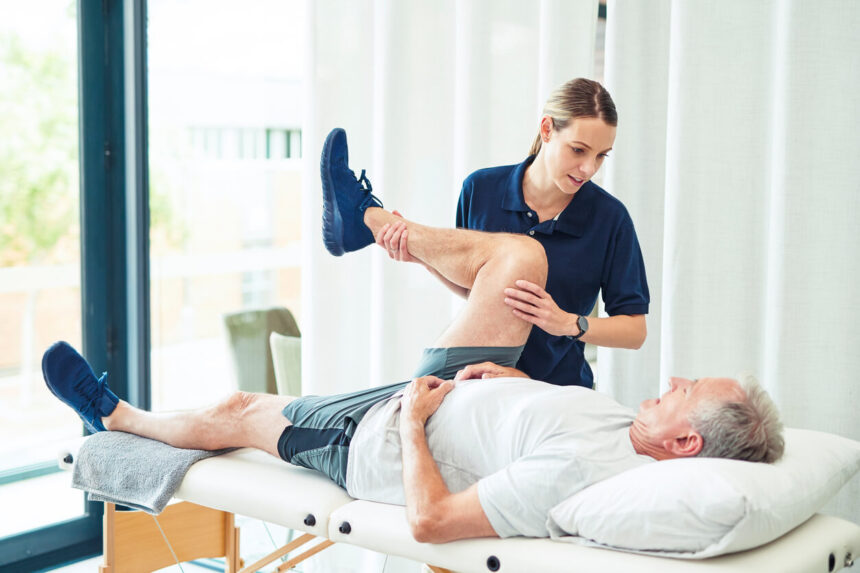
- Range of Motion Exercises: These are gentle movements designed to take a joint through its natural motion. Performing these exercises helps prevent stiffness and encourages the joint to move as it did before the procedure.
- Manual Therapy: A therapist may use hands-on techniques to mobilize joints and soft tissues. This can help decrease restriction and improve movement patterns, making it easier for you to perform daily tasks.
These methods work together to increase your ability to move progressively. Your physical therapy program will adapt as you heal, introducing new movements to support your continued progress toward recovery.
Which Techniques Reduce Pain?
Managing discomfort is another key aspect of post-surgical recovery. Physical therapy offers several non-invasive techniques to help manage pain levels without relying solely on medication. Your therapist can identify the sources of your discomfort and apply targeted methods to provide relief.
Some common pain management techniques include:
- Therapeutic ultrasound
- Electrical stimulation (TENS)
- Heat and cold therapy
- Manual soft tissue mobilization
These modalities can help soothe irritated nerves, reduce swelling, and relax tense muscles around the surgical area. A physical therapist will determine which techniques are appropriate for your situation. Combining these treatments with gentle movement often provides a more comprehensive approach to managing post-operative pain.
How Is Strength Rebuilt?
Surgery and the subsequent period of rest can lead to muscle weakness, a condition known as muscle atrophy. Rebuilding strength in the affected muscles, as well as the supporting ones, is a fundamental part of a complete recovery. Physical therapy provides a safe, structured environment to regain strength without placing undue stress on your healing body.
Your therapist will design an exercise program that starts with simple, low-impact movements. These may include isometric exercises, where you contract a muscle without moving the joint, to safely activate muscles. As you get stronger, the program will progress to include resistance training with bands, weights, or your own body weight. This gradual increase in difficulty helps muscles rebuild safely and effectively, restoring your ability to perform tasks like walking, lifting, and climbing stairs.
Schedule Physical Therapy
If you have an upcoming surgery, discussing a post-operative plan with your healthcare provider is a proactive step. Ask if physical therapy is a suitable option for your recovery journey. A physical therapist can create a personalized program to guide you from the initial days after your procedure to your return to full activity. Taking an active role in your rehabilitation can help you feel more in control and more confident in your recovery.