
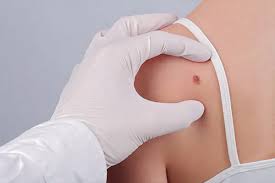
Mohs surgery is a specialized procedure used to remove certain types of skin cancer with a high level of precision while preserving as much healthy tissue as possible. It is performed in stages and includes same-day laboratory analysis; the process may differ from other skin procedures. Here is more information on what to expect during mohs surgery:
How Should You Prepare?
Your medical team will conduct a preoperative consultation before mohs surgery to review your medical history. It is key to disclose all medications you are currently taking, including over-the-counter supplements, and you should continue taking your prescribed medications unless your doctor advises otherwise. Verify if you need to stop specific blood thinners or aspirin under the guidance of your prescribing physician.
On the morning of the surgery, it is advisable to eat a healthy breakfast to keep your energy levels stable. Wear comfortable, loose-fitting clothing that allows the surgical team easy access to the area being treated. You should plan to be at the office for several hours; pack a bag with items to occupy your time, such as a book, a tablet, or a magazine. You may also want to bring snacks and a drink to keep you comfortable while you wait in the recovery area.
What Happens During Mohs Surgery?
Mohs surgery follows a specific procedure to eliminate cancer cells completely while preserving healthy skin. The process occurs in stages, and the surgeon repeats these steps until the margins are clear. Here is what you can expect:
- Anesthesia and Initial Removal: The surgical team cleans the area and administers local anesthesia to prevent pain. The surgeon then removes the visible tumor along with a very thin layer of surrounding tissue.
- Tissue Mapping and Bandaging: A temporary bandage is placed on the wound, and you return to the waiting room. The surgeon draws a detailed map of the surgical site to identify where the tissue was taken.
- Lab Processing and Analysis: The removed tissue is taken to the on-site laboratory, where it is frozen, cut into sections, and placed on slides. The surgeon examines these slides under a microscope to detect remaining cancer cells in the margins.
- Targeted Removal: If the surgeon finds cancer cells, they mark the location on the map and return to that specific area on your skin. They remove another thin layer of tissue only where the cancer persists, sparing healthy skin elsewhere.
This cycle repeats until the microscope shows no evidence of cancer, and the average number of stages is two or three.
What Are the Repair Options?
Once the surgeon confirms the cancer is gone, the mohs surgery phase concludes, and the reconstruction phase begins. The surgeon will determine the optimal method for repairing the wound based on its size, depth, and location. Here are some of the repair options they may recommend:
- Natural Healing (Secondary Intention): Small or shallow wounds may be allowed to heal on their own without stitches.
- Primary Closure: The surgeon pulls the wound edges together in a straight line and secures them with stitches.
- Skin Flap: Tissue adjacent to the wound is loosened and moved to cover the defect.
- Skin Graft: A piece of skin is taken from another part of the body, such as behind the ear, to cover the wound.
The medical team creates a repair plan that offers the best functional and cosmetic result for your specific situation.
Book Your Mohs Surgery Consultation
Mohs micrographic surgery offers a precise and effective solution for treating skin cancer. The procedure prioritizes complete tumor removal while preserving as much healthy skin as possible. Understanding the steps involved helps prepare you for a successful outcome. For skin cancer treatment, contact a qualified dermatologist near you to book your mohs surgery consultation today.