

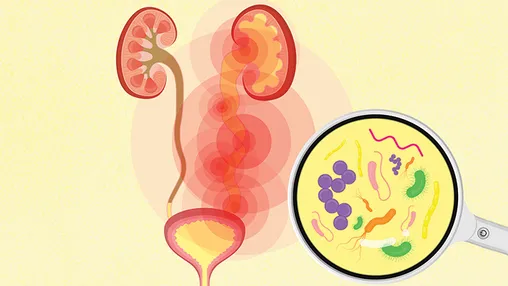
A UTI (urinary tract infection) is a common condition that occurs when bacteria enter and multiply within the urinary system. While UTIs can affect individuals of all ages, certain factors can increase susceptibility and recurrence. Understanding the causes and risk factors of a UTI supports early prevention, timely treatment, and better urinary health outcomes.
The Primary Culprit: Bacterial Infections
Most UTIs happen when bacteria enter the urinary system. The most common bacteria responsible are Escherichia coli (E. coli). E. coli naturally lives in the digestive tract, but it can cause problems if it moves to the urethra. Once there, the bacteria can travel to the bladder and multiply. This leads to a painful and inflammatory infection.
Other bacteria can also cause bladder infections, though less frequently. Staphylococcus saprophyticus or Klebsiella can invade the urinary tract. Our bodies have defenses, but they can sometimes fail. This bacterial migration is often accidental. It can happen during bathroom use or other daily activities. These germs then settle in the urinary tract. The resulting infection can be mild or severe. Identifying the specific bacteria helps doctors prescribe the right antibiotic.
Lifestyle and Behavioral Risk Factors
Your daily habits play a significant role in your risk of developing a lower UTI. Certain behaviors can introduce bacteria to the urethra or prevent the body from flushing them out effectively. For example, not drinking enough water reduces urination frequency, allowing bacteria to linger and multiply in the urinary tract. Hygiene practices also affect risk, as wiping from back to front after using the toilet can transfer bacteria from the anal region to the urethra.
Sexual activity is another common trigger for urinary tract infections. It can introduce bacteria into the urinary tract. But it affects anyone who is sexually active, not just newlyweds. To reduce the risk, urinating shortly after intimacy is a helpful habit. This simple action helps flush out any bacteria that may have entered the urethra during sexual activity.
Anatomical and Biological Vulnerabilities
Biology plays a major role in determining who gets UTIs, with women being more prone due to their anatomy. A woman’s shorter urethra allows bacteria to reach the bladder more easily compared to men. This anatomical difference often leads to chronic urinary infections in many women throughout their lives. Age also affects the risk of UTI over time. Menopause lowers estrogen levels, causing changes in the urinary tract that increase vulnerability to infections.
Genetics can also influence the likelihood of developing UTIs. Some individuals are born with a urinary tract shape that makes it harder for urine to flow freely. Others may have a genetic predisposition that allows bacteria to attach more readily to the bladder wall. These biological factors are beyond your control, but understanding them can help you stay proactive in preventing infections.
Medical Conditions and Health-Related Risks
Certain medical conditions can affect urinary health and increase the risk of infections. For instance, people with diabetes often have higher sugar levels in their urine, which can feed bacteria and promote growth. Additionally, diabetes weakens the immune system, making it harder to fight off infections. Blockages in the urinary tract, such as kidney stones or an enlarged prostate, can also increase the risk by trapping urine in the bladder.
Medical interventions, such as catheter use, can further increase the risk of infection. Catheters, which drain urine from the bladder, create a direct pathway for bacteria to enter the urinary system.
Here are a few other medical factors that may increase your risk:
- Suppressed immune system: Conditions or medications that weaken your immunity make it harder to fight off germs.
- Pregnancy: Hormonal changes and pressure on the bladder can increase the risk of infection.
- Previous UTIs: A history of infections increases your risk of experiencing them again.
Book a UTI Appointment Today
A urinary tract infection (UTI) is a sign that your body is fighting a bacterial invasion. While understanding the causes, from hygiene habits to biological factors, is key to prevention, professional medical advice is fundamental for recovery. Ignoring the signs of a UTI can lead to more serious health issues, such as kidney infections. Thus, do not delay seeking medical help.
If you are experiencing symptoms such as burning during urination or cloudy urine, it is time to book an appointment with a urologist near you. They will diagnose your condition quickly and provide the right treatment.